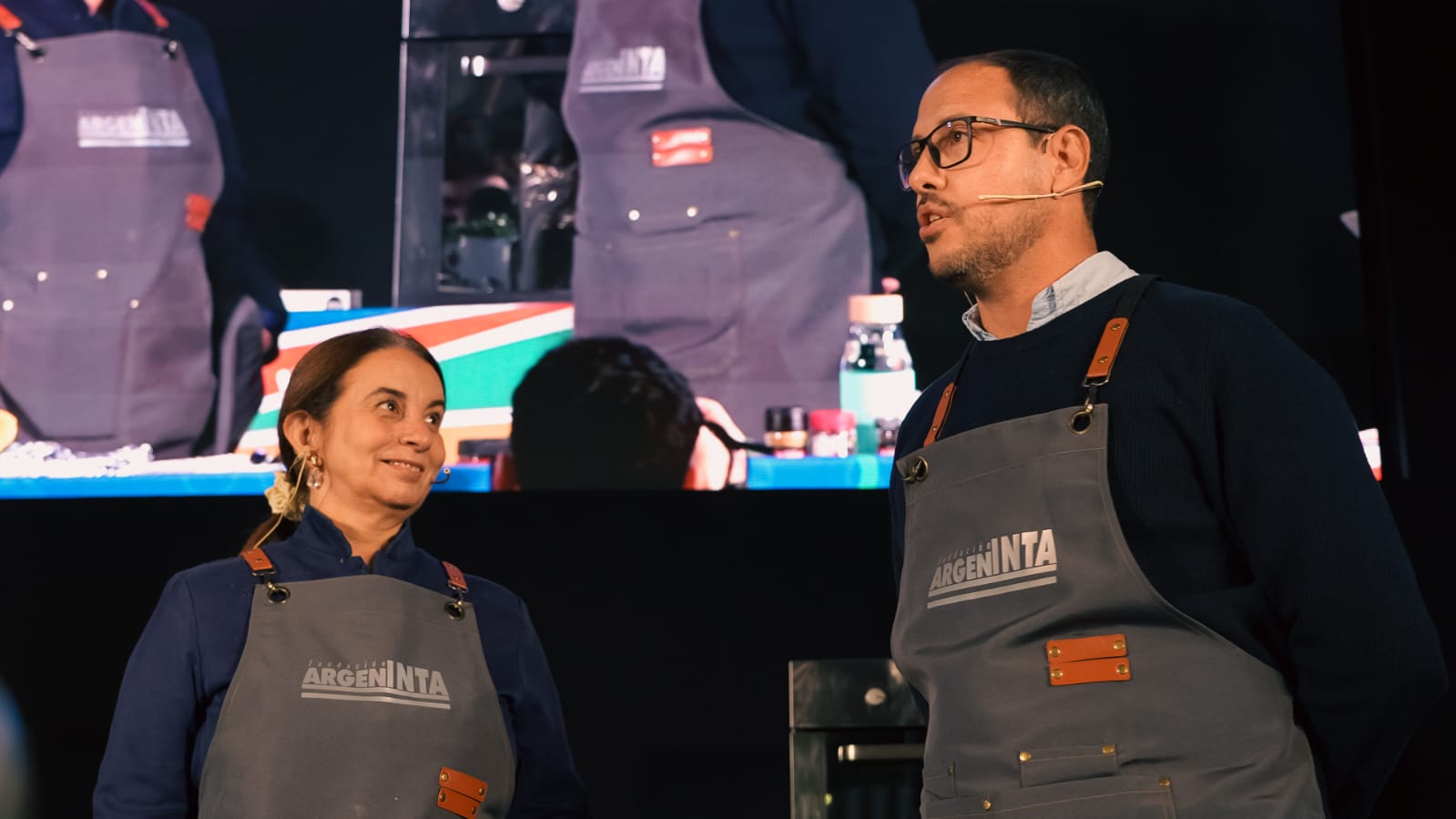
The ArgenINTA Foundation and INTA participated in the 20th edition of *Caminos y Sabores* with an initiative that brought together regional products, technical expertise, and gastronomy. Through four culinary presentations, producers, specialists, and chefs shared the value and history behind each food item with the public.
From July 9 to 12, Caminos y Sabores once again became a major meeting point for our country's productive, gastronomic, and cultural diversity.
Against this federal backdrop, the ArgenINTA Foundation and INTA developed a culinary agenda aimed at showcasing foods linked to the scientific and technological work carried out across different regions of Argentina.
Over the course of four days, the initiative brought together products, science, innovation, gastronomy, and the local territory, introducing the public to the characteristics of each food item, its production methods, its culinary potential, and the work of the technical teams supporting its development.
From the territory to the kitchen
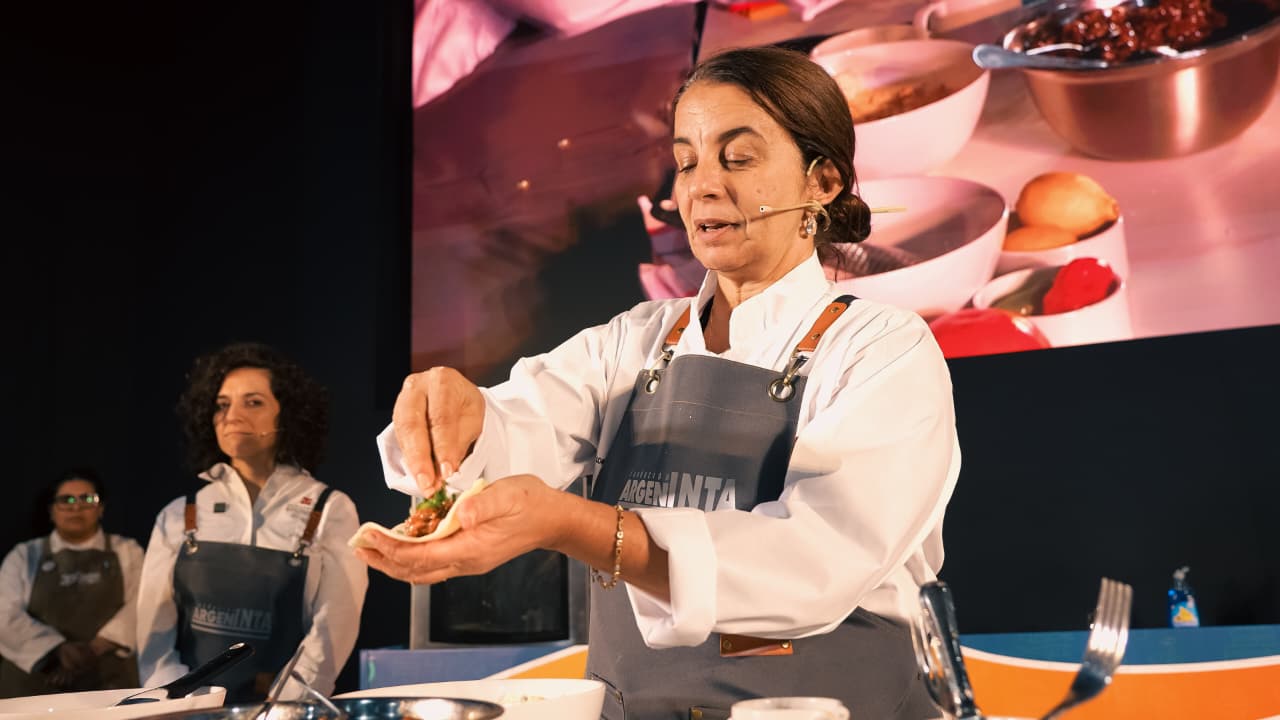
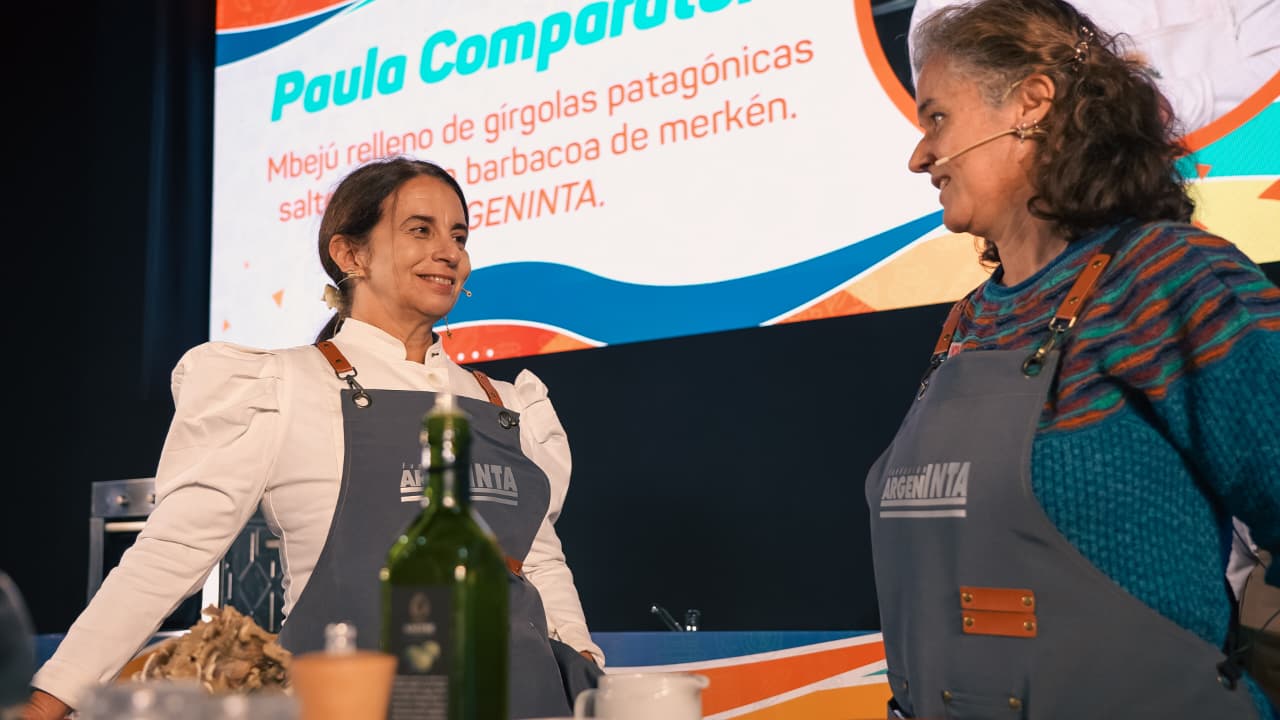
The agenda began with *mbejú* stuffed with Patagonian oyster mushrooms—a dish that showcased the versatility of these mushrooms and the technical expertise behind their production.
The second presentation showcased guanaco meat from Santa Cruz, used to make empanadas. In addition to its regional identity, the presentation highlighted the meat's nutritional quality, low fat content, and the wide range of culinary possibilities it offers.
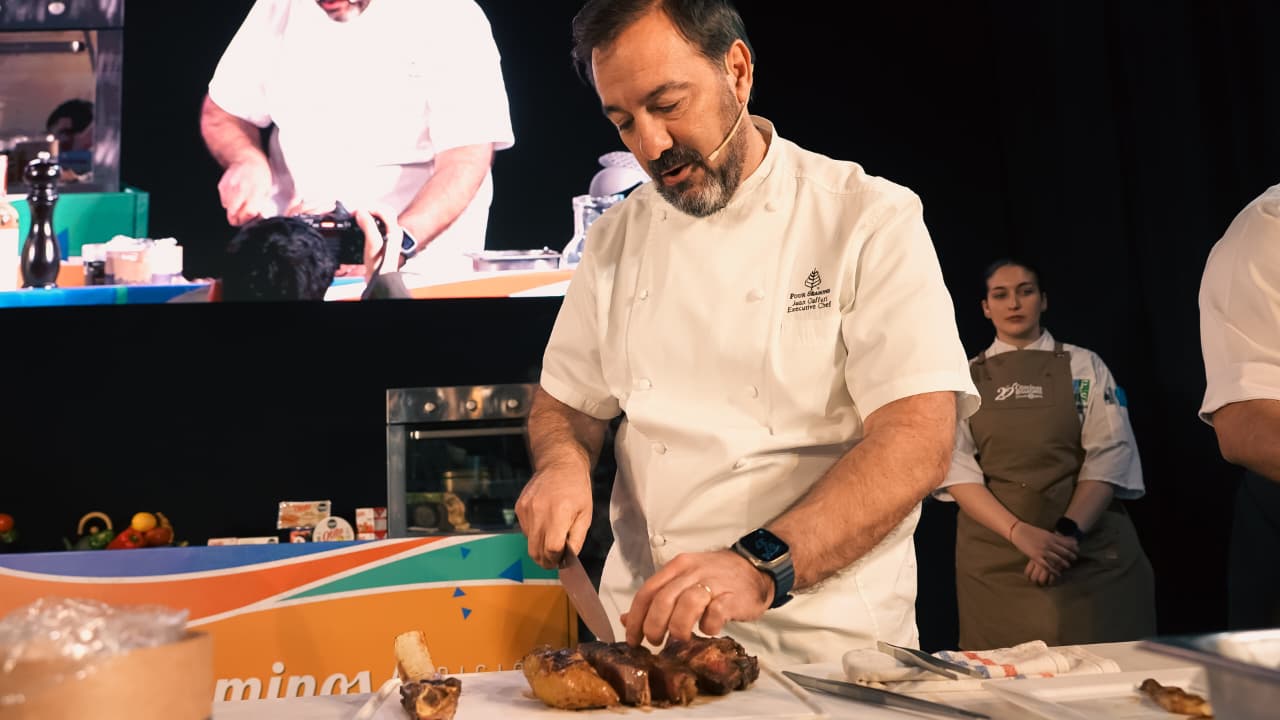
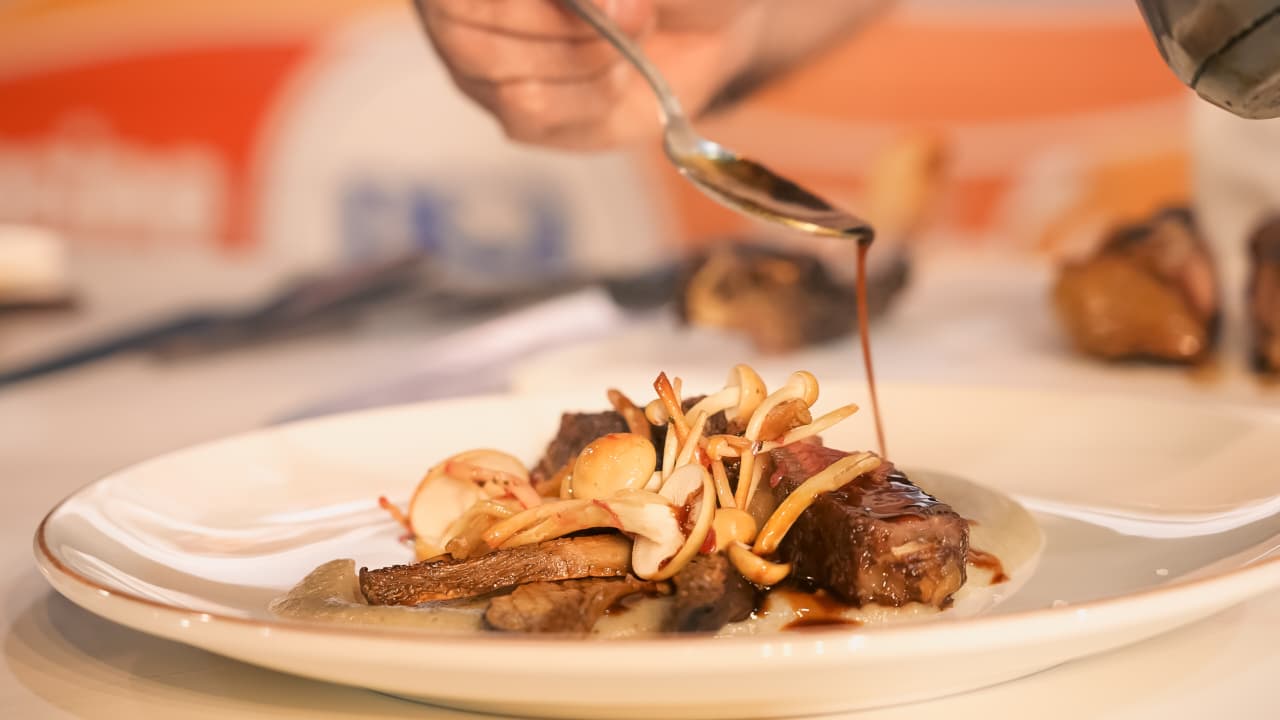
The program continued with the preparation of a ribeye steak accompanied by regional products, in a presentation that combined culinary techniques, innovation, and a diversity of ingredients.
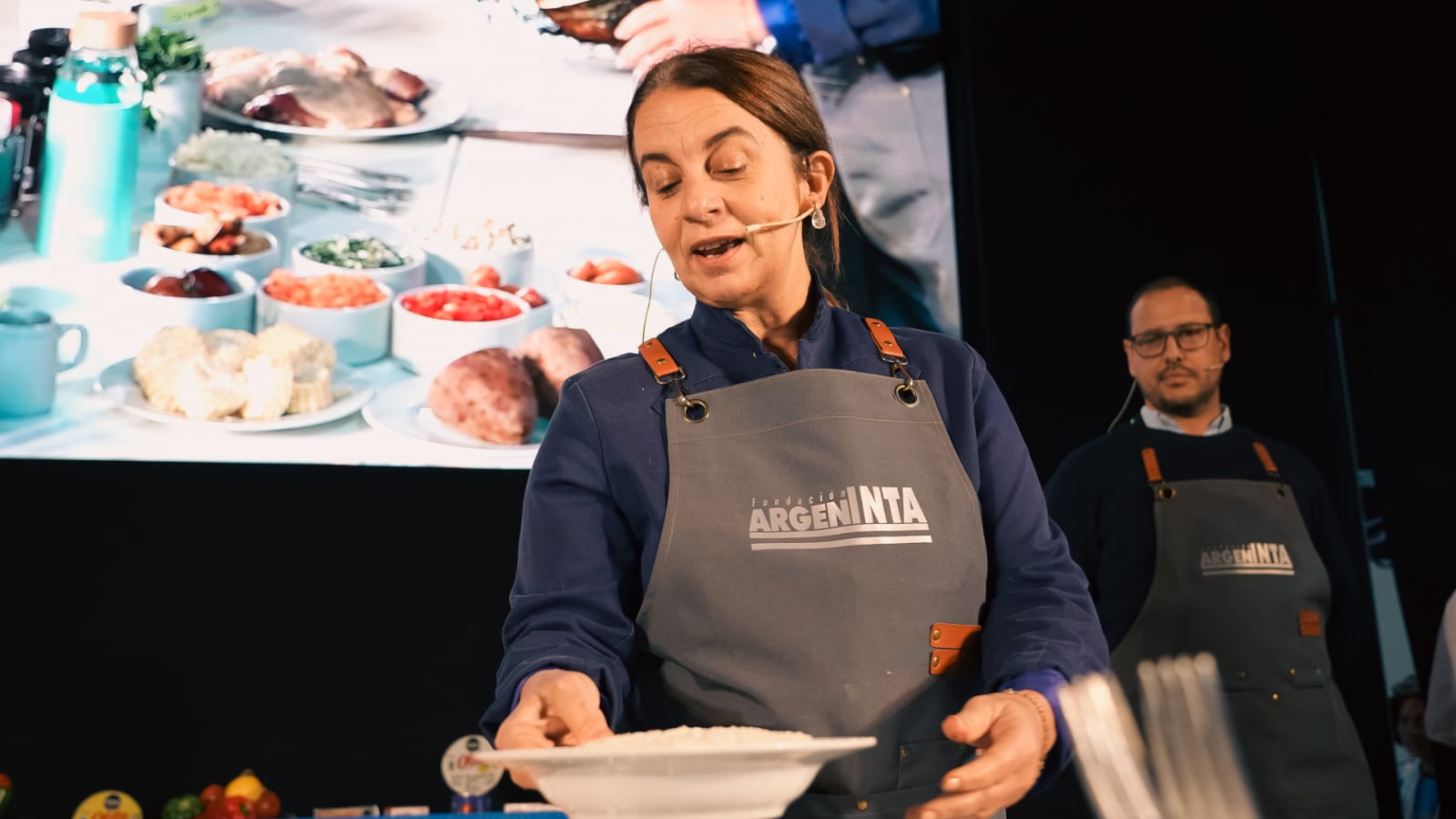
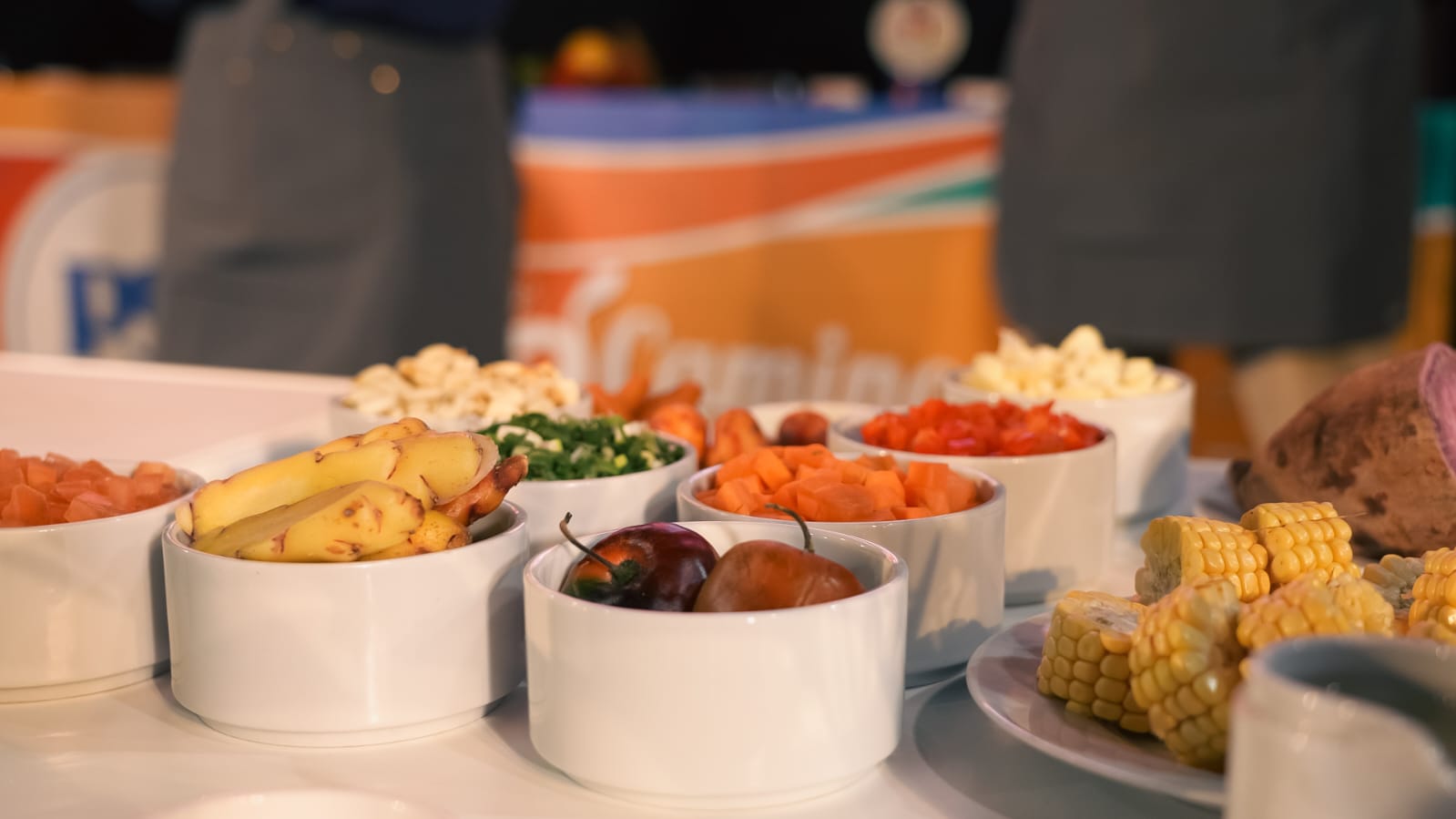
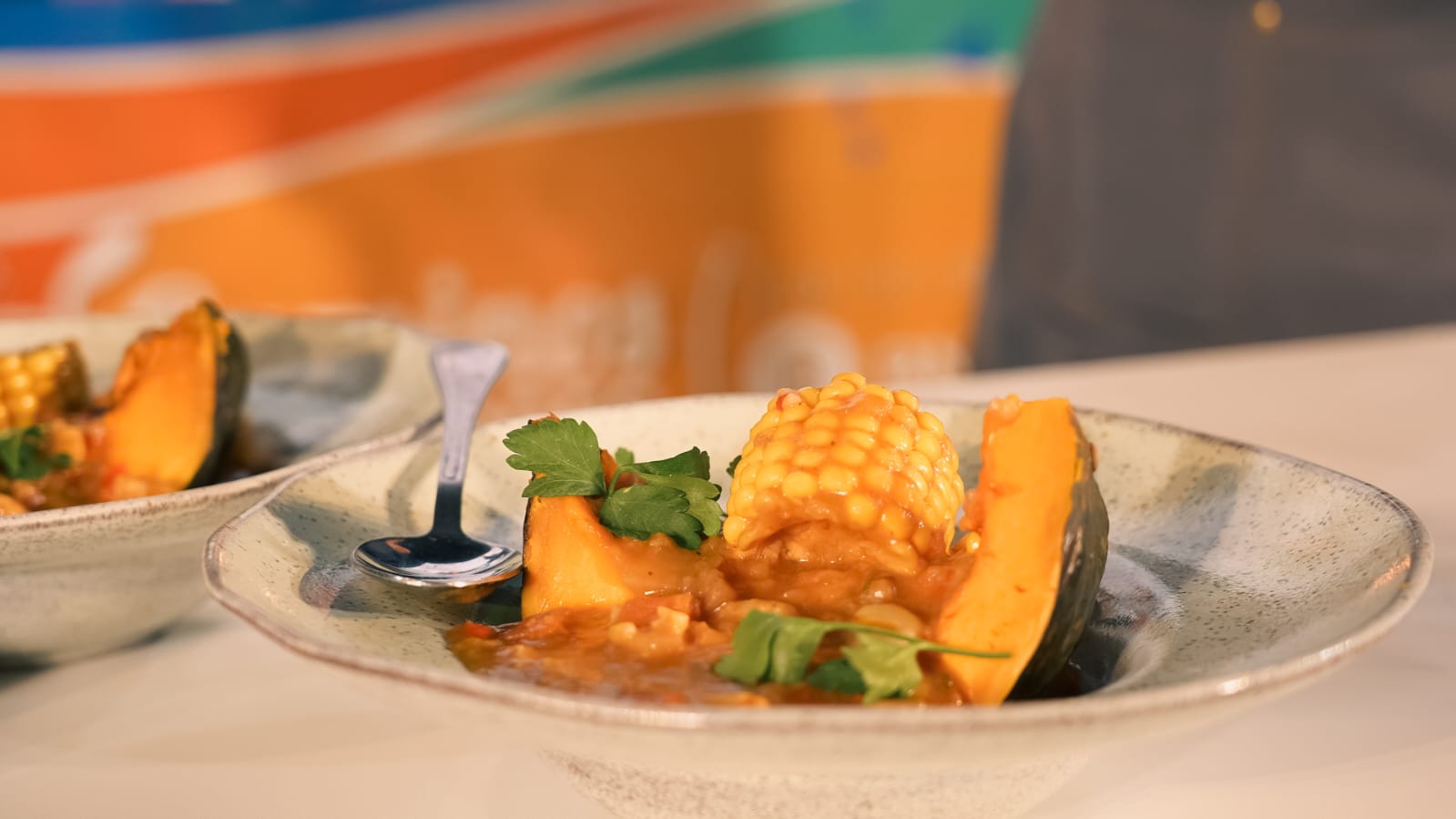
To conclude, Kirá rice from Entre Ríos was featured in a *carbonada* stew, showcasing the qualities of this product and highlighting the expertise applied to its production.
Each demonstration also served as a space for conversation among specialists, chefs, and visitors. The recipes acted as a gateway to learning about the origins of the products and understanding how research and innovation can be transformed into tangible, accessible foods that are part of everyday life.
Coordinating to bring knowledge closer
Participation helped strengthen the bond between those who generate knowledge, those who produce food, and the diverse audiences that toured the exhibition.
As noted during the activities:
“Through the ArgenINTA Foundation, we aim for these spaces to serve as a nationwide showcase that brings INTA’s technical knowledge closer to the public, strengthens outreach efforts, and highlights the value of innovation generated at the local level”.
At a fair that invites visitors to explore Argentina through its flavors, the ArgenINTA Foundation reaffirmed its role as a coordinating organization, fostering spaces where science and technology can intersect with production, gastronomy, and the community.
It was four days of exchange and learning, but also an opportunity to demonstrate that behind every regional product lies a chain of work integrating research, development, technical capabilities, and a commitment to the local territory.